A Safer Alternative for Treating Brown Patches on the Skin

Stubborn brown spots, sun spots, and brown patches on the skin are a concern for many, and while there are topical skin care products that can help to encourage their fading, one in particular is not without controversy. Hydroquinone is a commonly used skin bleaching agent that inhibits Tyrosinase, an enzyme involved in producing pigment. The controversy around Hydroquinone revolves around redness and skin irritation, but some reports have shown it as possibly causing liver cancer and leukemia in rats. Countries such as Europe, South Africa, and Japan have banned its use, but in the United States, the Food and Drug Administration (FDA) still considers it safe and it is commonly prescribed by dermatologists.

While I generally support the FDA, and have seen the positive impact it can make in reducing these stubborn brown spots for many of my clients, I do understand people’s concern in wanting to find a natural, less controversial solution. Adding to the controversy, the Texas Attorney General’s office has made one known Hydroquinone maker remove all their products using this ingredient from the shelves of spas and medical offices. So, for those who live in Texas, Hydroquinone may be harder to access. This also has happened in the state of Florida.

For a Hydroquinone-free alternative, look for products that contain high concentrations of Magnesium Ascorbyl Phosphate, Kojic Acid, and Licorice Extract (Glycyrrhiza glabra), which can help inhibit melanin production… Read more


Five Tips for Caring for the Skin On Your Chest

When it comes to the areas that people most focus their anti-aging efforts on, the face would be the first priority. The neck would be second, then the chest, with the hands coming in a close fourth. That being said, most people do neglect the chest area. The upper chest area gets a tremendous amount of sun exposure in a lifetime, which results in brown spots, rough texture, redness, and is oftentimes a popular area for skin cancer.  So here are my tips for caring for this often-exposed area.

Sunscreen must be worn daily: Most people know the importance of wearing sunscreen 365 days a year, so they will apply it to their face, using whatever is left on their fingertips on the neck and maybe extending a little on to the chest. But for most people, if sunscreen is applied to the chest, it is not adequate enough protection as it is not applied generously enough.

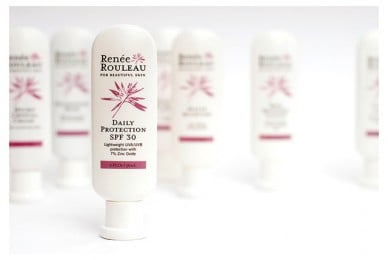
How to: When you’re out of the shower, remove the top of your bathrobe so you can have the entire upper chest area exposed. Apply sunscreen generously to all areas that will be exposed to sunlight, based on what you’ll be wearing that day. (I recommend Daily Protection SPF 30 since it offers powerful UVA/UVB protection.)

After applying a generous coat of sunscreen, dust on a sunscreen mineral powder to not only even out redness and brown spots but also to prevent UV damage.

Read: The Best Sunscreen Mineral Powder to Prevent Wrinkles and Sun Damage

Beware of Sunburn: Your skin has a memory, and one really bad sunburn can haunt you years later. Here’s why… Read more


The Powerful Effects of Sunscreen

According to the journal of Plastic and Reconstructive Surgery, a study concluded that sunscreen, when compared to the preventative effects of powerhouse OTC ingredients such as wrinkle-fighting antioxidants, skin-plumping hyaluronic acid and skin lightening-hydroquinone, is THE most biologically active ingredient in skin care products.

So what does that mean? It means that sunscreen, more so than any other skin care product sold over-the-counter, has the ability to prevent wrinkles and premature skin aging.

I’ve talked about the importance of sunscreen many, many times, but this study really confirms the power that sunscreen can make on your skin. So even if you’re someone that likes to keep your skin care routine to a few easy steps, making sure that applying sunscreen is one of them can make a world of difference for your skin and how it will age!

Read: How to Apply Sunscreen to the Face and Neck

Have a skin concern? Check out Skin Source—the A-Z guide on everything from acne, exfoliation and large pores to brown spots, sun protection and so much more!… Read more


Can You Get Sun Damage While Driving in a Car?

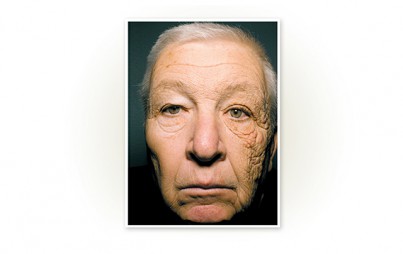
As someone who has been working with skin for over 20 years, I know that clients have more brown age spots on the left side of the face than the right, and I certainly attribute this to the amount of UV rays that can come in through the left driver side window of your car.

Read: How To Prevent Summer Sun Spots

Did you know that harmful rays from the sun can pass through the side and rear car windows? Most windshields are made of laminated glass, which prevents the windshield from shattering in an accident. Laminated glass will block the sun’s damaging rays. However, most car’s side and rear windows are not laminated glass, so rays can penetrate, damaging skin and setting the stage for premature skin aging and possibly skin cancer.

I recently purchased a new car and what sold me on the car was that the side and rear windows were tinted with a special tint used on military planes that cuts out 95% of UV rays. This esthetician means business when it comes to skin!

Consider having sunlight-control film applied to rear and side windows but always wear sunscreen applied generously to the face, neck and sides of the neck every, day so you’re protected when driving in your car – or anywhere you are… Read more


Five Essentials to Stay Tan-Free at the Beach

I recently went to Fiji for vacation. It was my first beach vacation in over 20 years. Since I don’t get tan and am always sun smart when outdoors by wearing sunscreen, I was a bit apprehensive about spending so many consecutive days in the strong sun close to the equator. So I just had to plan well and that’s certainly what I did.

I brought five essentials that allowed me to stay protected and therefore tan and sunburn-free while at the beach.

1. Sunglasses. Protecting the delicate eye area, as well as stopping unnecessary squinting from the sun is a must. Most sunglasses offer full UV protection, but always double check to make sure yours do.

2. UV-protecting shirt. In the photo, I’m wearing a shirt over my bathing suit that protects the skin from 97% of the UVA/UVB rays–far more than a regular t-shirt. I get it from a company called Sun Precautions and it is light and airy – perfect for protecting my skin in the hot sun.

3. Big hat. Of course a big floppy hat provides excellent coverage and shade for the face, so it was comfortable to wear and kept me protected.

Read:Am I Protected from the Sun in the Shade?Read more

Related Posts with Thumbnails

« Previous PageNext Page »

Archives
Categories
Archives
Categories
-->