
Updated 11/8/23. If you’ve ever had your skin analyzed by an esthetician, you’ve probably heard the words “dry” and “dehydrated.” The differences between the two are studied extensively in esthetics school and professionals know they are quite significant. However, you, the seeker-of-skincare-knowledge, might be confused. Keep reading to learn all about dry vs. dehydrated skin, including how to determine which one you might have and how to remedy it!
10 Facts About Dryness and Dehydration
1. Fact: Skin Needs a Balance of Moisture (Oil) and Hydration (Water)
This balance of oil and water is truly the foundation for smooth, glowing, and beautiful skin. It applies to all skin types, regardless of whether you’re a teenager experiencing breakouts, or you have mature skin that’s prone to dryness.
2. Fact: The Epidermis Is Responsible For Keeping Skin Hydrated
The epidermis is the outermost layer of the skin. It’s where underlying processes that control levels of hydration occur. These processes maintain a proper balance between water retention and water loss. Researchers still don’t fully understand these very complex processes. We can, however, use what knowledge we do have to our benefit.
3. Fact: You Can’t Have Skin That’s Both Oily and Dry At The Same Time
Oily skin means your skin overproduces oil. Dry skin means it doesn’t produce enough oil. These contradict each other. You can be oily and dehydrated, but you can’t be oily and dry. If you take away only one thing from this post, this should be it.
4. Fact: You Can’t Drink Your Way to Hydrated Skin
Drinking water is actually the least efficient way to hydrate the skin. Here are three things that will hydrate your skin.
5. Fact: When The Skin Is Dry or Dehydrated, It Acts More Sensitive
This happens because the skin’s moisture barrier is compromised. Irritants can enter more easily and water can evaporate more easily. If you want to make your skin less sensitive, you must topically hydrate and/or moisturize for your specific skin type.
6. Fact: Dry skin (That Doesn’t Produce Enough Oil), Can’t Retain Water Very Well
Oil is what keeps water sealed into the skin, so without oil, the skin can’t retain water very well. A good way to think about this is to think about leather, which can dry out and harden over time and requires frequent oil conditioning to keep it moist and pliable. If you apply water to leather, it only gets drier and more cracked. Without oil, the applied water quickly evaporates, taking all other existing water in the leather with it!
7. Fact: To Properly Retain Water, You Need Lipids (Oils)
These can be built-in lipids (if your skin naturally produces enough oil) or topical ones, in the form of emollient moisturizers.
8. Fact: Dehydrated Skin (That Produces Enough Oil But Needs Water), Requires Gentle Products
Avoid using harsh skincare products on dehydrated skin, which can contribute to a tight feeling and leave you with what seems like dry skin but really isn’t. Instead, look for products that contain water-based hydration! This goes for everything from your cleanser to your moisturizer. And on that note, read up on the four ingredients to avoid in your cleanser.
9. Fact: For Oily Skin Types That Are Prone to Blemishes, The Goal Is to Lessen Oil Activity
Oil can significantly contribute to breakout activity. While the goal is definitely to lessen oil activity, you don’t want to deplete it. If you do, the skin is in a vulnerable state, and water loss can occur. This can lead to tightness and flakiness. This is why so many breakout-focused products are drying. They want to get rid of oil and bacteria on the skin. However, this can backfire, because they can cause your skin to respond by producing even more oil, which can then lead to more breakouts.
Instead, use products that reduce oil and target bacteria without being harsh and irritating. I love the AHA/BHA Blemish Control Cleanser for this purpose. It works deep within the pores, yet it doesn’t cause excess dryness.
10. Fact: It’s Important to Choose Your Moisturizer Wisely
Moisturizers are made up of humectants and emollients. Humectants attract water to the skin. Emollients keep that water sealed in. All moisturizers contain a mixture of both but the percentage of each can vary. If you have oily/combination skin, you probably produce enough oil, which is a natural emollient. So, you should opt for a lighter lotion that contains more humectants and fewer emollients. I love the Skin Recovery Lotion for this (it’s oil-free!). On the contrary, if you don’t produce oil, then you need a richer cream with more emollients. These will act as a seal and protect the skin from water loss.
But wait…before you read on for more details, remember to apply this information based on how your skin is acting TODAY. The skin changes with age, and it’s important to focus on the here and now—not what your skin used to be like years ago. Got it?
What Does It Mean to Have Dry Skin?
Dry skin as a skin type (like Skin Types 7, 8, and 9), is known as alipidic skin. This means the skin does not produce much oil. Skin relies on oil to retain moisture; without it, dryness ensues.
What Are The Characteristics of Dry Skin?
- Pores are small-to-medium in size, often with smooth texture. Follicles don’t have a chance to dilate and stretch pores because there isn’t as much oil production (compared to oilier skin types). This is a major plus for those with lifelong dry skin, so consider yourself lucky in this regard. Oily skin types, like me, have to use retinol faithfully to achieve smaller-looking pores.
- Breakout activity is minimal. This is another benefit! If you’re not getting many breakouts, then this is an indication of very little oil production. Even if you experienced breakouts in your younger years, it’s important to deal with what your skin is doing today. Do note, though, that even dry skin types can get an occasional hormonal cystic blemish. This is a unique type of blemish that can occur at any age.
- Skin consistently feels tight and dry and may appear rough and flaky. Of course, if you’re exfoliating regularly, flakiness is less likely to occur.
- Fine lines and wrinkles are pronounced. This is related to how much sun damage your skin has experienced.
- Barrier function is compromised, which usually results in increased sensitivity. Inflammation causes a chain of biochemical reactions that lead to collagen and elastin breakdown. Keeping skin irritation to a minimum is essential.
- Frequent exfoliation is required to prevent dry skin cell build-up. Read my complete guide to exfoliation.
What Causes Dry Skin?
- Genetics: Dryness, unlike dehydration, is something you’re born with.
- Age: The skin has a harder time retaining moisture as you get older.
- Lifestyle: Airplane travel, alcohol consumption, and antihistamines taken for allergies are big contributors to dry skin.
- Environment: This can include prolonged exposure to dry climates, to the sun and heat, heaters, and air conditioning.
- Overly drying skincare products: These include bar soap, high-foaming cleansers, and prescription retinoids
- Hormones: Estrogen, which normally retains water in the dermis for a plump, moist look, naturally diminishes with age. The skin deflates and wrinkles become more pronounced.
How Can You Fix Dry Skin?
- Use a skincare routine formulated exclusively for dry skin. This should include gentle yet effective exfoliants to smooth away the dry cells that can contribute to a rough texture. Take the Skin Type Quiz to find your skin type and see personalized product recommendations.
- Choose the right moisturizer or face oil. It should contain the right combination of protectants and emollients to create a barrier that prevents moisture loss. Not all moisturizers are equal. Check out the best ingredients to look for.
- Use a gentle, leave-on acid exfoliant. This helps remove flakiness and promote cell renewal. Lactic acid, in particular, helps improve the natural production of intercellular lipids for healthy barrier function.
- Wash with a mild cleansing lotion formulated for your skin type. Swap bar soap and harsh foaming cleansers for cleansing lotions. These contain soothing emollients.
- Never leave the skin bare for more than 60 seconds after cleansing. I call this the “Golden Minute Rule,” and it’s the easiest way to help prevent moisture evaporation. Apply your next product within 60 seconds of cleansing.
- Use a serum underneath a moisturizer. Applying a moisturizing serum before your moisturizer can provide an additional layer of nourishment to the skin.
- Use a humidifier to keep moisture in the air and in your skin. You can also keep a bowl of water in your bedroom at night if you don’t want to get a humidifier.
- Use prescription retinoids or retinol carefully. Read this beginner’s guide to retinol and retinoids.
- At night, layer face oil over the top of your moisturizer. This helps seal moisture into the skin. However, it’s extremely important that you use face oil correctly.
What Does It Mean to Have Dehydrated Skin?
Dehydrated skin, as a skin condition, lacks water content. The technical name for this is transepidermal water loss. The skin can still have normal or even overactive oil activity. Dehydration is common in oily to combination skin, like Skin Types 1, 2, 3, and 4, and usually is a direct result of using harsh, overly-drying skincare products.
What Are The Characteristics of Dehydrated Skin?
- Skin feels tight. This is due to a lack of water in surface cells. Note: Unlike dry skin, which is a consistent condition, dehydrated skin isn’t always prolonged. It can feel tight one day and normal the next based on various factors. Unless of course, you’re consistently using overly-drying products or regularly over-exfoliating—then it will feel tight consistently.
- If you look closely, you can see tiny triangular lines. Look closely in a mirror, then press and hold your finger firmly on your forehead or cheek and move it in tiny circles. While doing this, pay attention to the skin’s texture. Dehydration can appear as tiny triangular fine lines. I’ve heard it called “onion skin” since the skin of onions can have similar crisscrossed marks. (Watch the video, below, to see how this looks in real life.)
- Skin can appear tight and shiny even if no visible oil is present. Have you ever noticed how a man’s bald head can look really shiny, especially in photos? This usually means he’s using harsh soap or body wash to cleanse his face and head. He’s likely not applying moisturizer afterward, so the skin gets severely dehydrated. I’ve worked with many men over the years who have sought advice on how to reduce this shininess. I always advise them to switch to a gentler cleanser and use moisturizer morning and night. This usually does the trick!
What Causes Dehydrated Skin?
- Lifestyle: Airplanes and alcohol consumption are big contributors.
- Age: As skin ages, the epidermal cell cycle slows down significantly. This leads to the slowed production of intercellular lipids, creating an impaired barrier function that results in dehydration.
- Environment: This can include prolonged exposure to dry climates, to the sun and heat, heaters, and air conditioning.
- Overly drying skincare products: This includes bar soap, high-foaming cleansers, and prescription retinoids.
How Can You Fix Dehydrated Skin?
- Use a skincare routine formulated for your skin type. This should include gentle yet effective exfoliants to smooth away dehydrated cells that can contribute to a tight look and feel. Take this Skin Type Quiz to find your skin type and see personalized product recommendations.
- Use a moisturizer containing humectants. Look for ingredients like glycerin, sodium hyaluronate, sodium PCA, sorbitol, allantoin, and algae. Chemically speaking, these ingredients form hydrogen bonds with water molecules; they can draw water from the dermis (the second layer of skin) into the epidermis (the outer layer). And if the humidity is above 70 percent, they can even draw in moisture from the air.
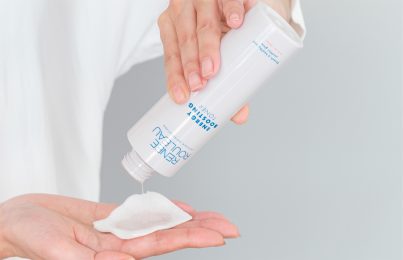
- Use an alcohol-free toner. Toners are truly fabulous. They provide quick hydration to parched skin. Check out all the benefits of using a toner.
- Never leave the skin bare for more than 60 seconds after cleansing. Again, this “Golden Minute Rule” is the easiest way to help prevent moisture evaporation!
- Use a serum underneath a moisturizer. Applying a hydrating serum before your moisturizer can provide additional hydration to the skin.
- Use a humidifier to keep moisture in the air and in your skin. You can also keep a bowl of water in your bedroom at night if you don’t want to get a humidifier.
- Go easy on exfoliants. Using exfoliating acids and scrubs too often and too aggressively can cause surface dehydration and inflammation. This is the opposite of what your skin needs!
- Use a sulfate-free cleansing gel. Sulfate-free cleansing gels can help prevent unnecessary dehydration.
There you have it. That’s everything you need to know about dry vs. dehydrated skin. I hope this provides some clarity on this very confusing topic. After all, your skin thrives when it has the right balance of oil and water!
Next, find out if tap water could be causing your dryness, sensitivity, and clogged pores.

Celebrity Esthetician & Skincare Expert
As an esthetician trained in cosmetic chemistry, Renée Rouleau has spent 35 years researching skin, educating her audience, and building an award-winning line of products. Her hands-on experience as an esthetician and trusted skin care expert has created a real-world solution — products that are formulated for nine different types of skin so your face will get exactly what it needs to look and feel its best. Trusted by celebrities, editors, bloggers, and skincare obsessives around the globe, her vast real-world knowledge and constant research are why Marie Claire calls her “the most passionate skin practitioner we know.”

Comments:
This is amazing
Posted By: Ciro Studios |